
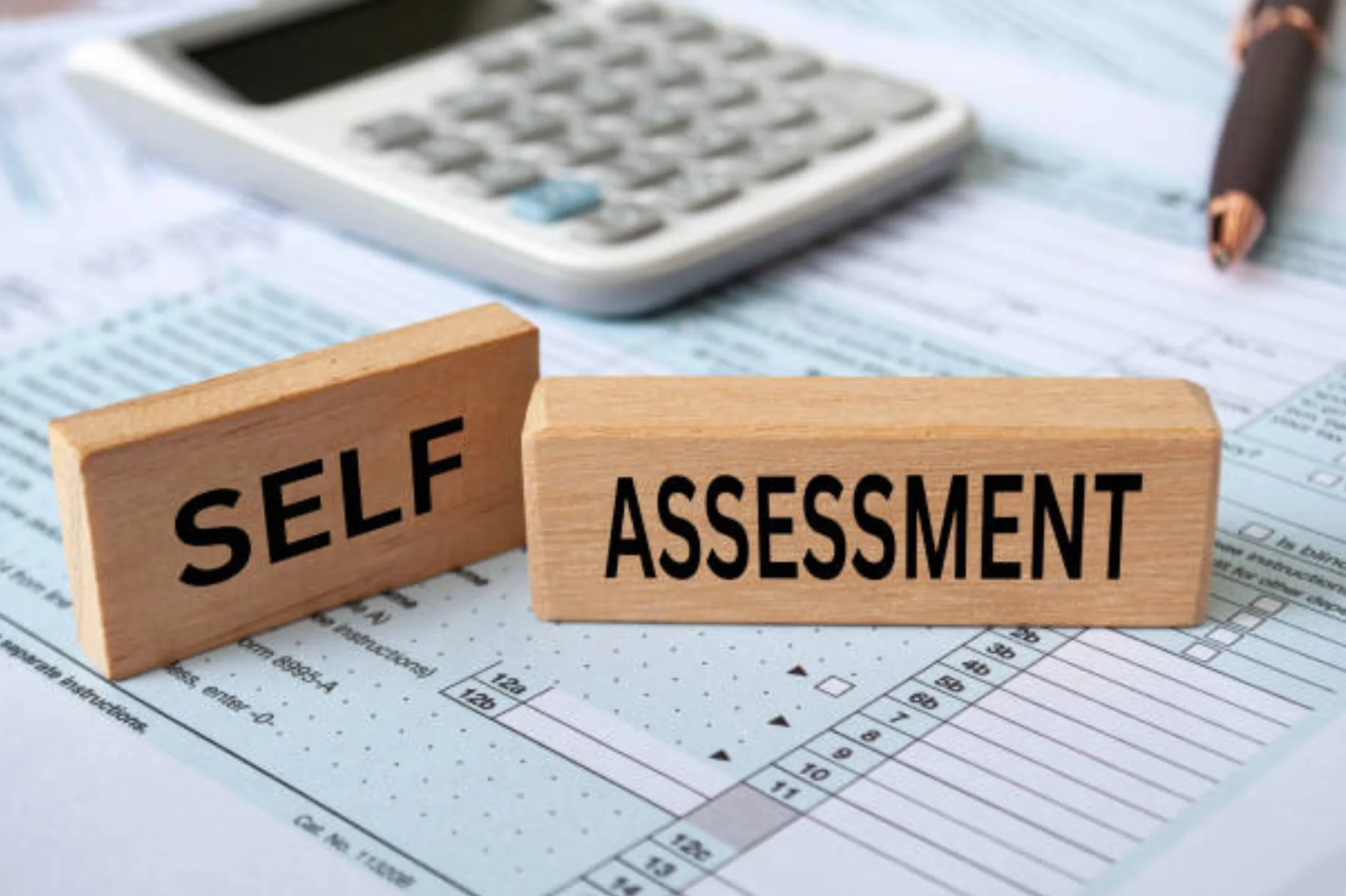
Who Must File a Self-Assessment Tax Return?
Filing a Self-Assessment tax return is a legal obligation for many individuals in the UK, yet it remains one of the most misunderstood HMRC requirements. If you earn income outside PAYE or have complex financial circumstances, you may be required to report your income directly to HMRC through the Self-Assessment system.
Understanding who must file a Self-Assessment tax return is essential to avoid penalties, late fees, and unnecessary stress.
You must file a Self-Assessment tax return if HMRC requires you to declare income that is not automatically taxed through PAYE, including self-employment income, rental income, dividends, foreign income, or other untaxed earnings in the UK.
What Is a Self-Assessment Tax Return?
A Self-Assessment tax return is the system used by HMRC to collect Income Tax from individuals whose tax is not fully deducted at source. Instead of tax being calculated automatically, you are responsible for declaring your income, expenses, and allowances accurately in a personal tax return.
This process allows HMRC to assess how much tax you owe and ensures compliance with UK income tax reporting rules.
Who Is Required to File a Self-Assessment Tax Return?
Self-Employed Individuals and Sole Traders
If you are self-employed or registered as a sole trader, you must submit a Self-Assessment tax return every year. HMRC requires full disclosure of your business income and allowable expenses, which is why accurate bookkeeping is essential.
Company Directors
Most company directors must file a Self-Assessment tax return, even if they take a salary through PAYE. Dividends, benefits in kind, or additional income must be reported separately to remain HMRC compliant.
Landlords With Rental Income
You must file a Self-Assessment tax return if your annual income exceeds £100,000. HMRC requires a detailed return to calculate the correct tax liability and adjust personal allowances.
Individuals With Untaxed or Additional Income
This includes income from dividends, savings, investments, foreign income, freelance work, or side income where tax has not been fully deducted at source.
Who May Not Need to File a Self-Assessment Tax Return?
You may not need to file if:
- All income is taxed through PAYE
- You have no additional untaxed income
- HMRC has not issued a notice to file
However, HMRC guidance changes frequently, so confirmation is always recommended.
Self-Assessment Tax Return Deadlines
Failing to meet HMRC deadlines can result in penalties starting from £100.
- Register for Self-Assessment: 5 October following the tax year
- Paper return deadline: 31 October
- Online return deadline: 31 January
- Tax payment deadline: 31 January
Why Accurate Bookkeeping Matters for Self-Assessment
Accurate bookkeeping ensures income and expenses are reported correctly, reduces errors, and helps prevent HMRC enquiries. Well-maintained records support compliant Self-Assessment tax return filing and effective tax planning.
FAQs
Who needs to file a Self-Assessment tax return in the UK?
Anyone with income not fully taxed through PAYE, including self-employed individuals, company directors, landlords, and those with high or untaxed income, must file a Self-Assessment tax return.
Do all company directors have to submit a Self-Assessment?
Most directors must submit a Self-Assessment tax return, especially if they receive dividends, benefits in kind, or additional income beyond PAYE salary.
Can I be exempt from filing a Self-Assessment tax return?
Yes, if your income is fully taxed through PAYE, you have no untaxed income, and HMRC has not issued a notice to file. However, it’s important to confirm with HMRC each year.
What are the penalties for late Self-Assessment filing?
Late filing penalties start at £100 and increase over time. Interest may also be charged on unpaid tax. Meeting deadlines is essential to avoid penalties.
How does bookkeeping help with Self-Assessment?
Accurate bookkeeping ensures your income and expenses are correctly recorded, supporting a compliant and error-free Self-Assessment tax return. It also simplifies reporting rental income, dividends, and self-employment earnings.
Final Thoughts
Bookkeeping is the backbone of tax compliance, supporting every UK tax obligation from Self-Assessment returns to Corporation Tax filings. Businesses and individuals who maintain accurate records protect themselves from penalties, reduce stress, and gain clearer financial insight.
If you want reliable records and confident tax compliance, professional support is essential.

Recent Posts
Who Needs to Register for VAT in the UK?
Who Must File a Self-Assessment Tax Return?